Auction Guide
Participating in a car auction can be an exciting and potentially cost-effective way to acquire a vehicle. Whether you're a seasoned car enthusiast or a first-time buyer, this guide will help you navigate the process and make informed decisions.
1. Research and Preparation:
- Know Your Budget: Determine how much you're willing to spend on a car, including additional costs like taxes, fees, and potential repairs.
- Research the Auction: Understand the type of auction you're attending. There are different types, including public auctions, dealer-only auctions, and online auctions. Each has its own rules and regulations.
- Inspect the Cars: Most auctions allow you to inspect the vehicles before bidding. Bring a knowledgeable friend or mechanic to help you assess the car's condition.
- Get a Pre-Approval: If you plan to finance the purchase, get pre-approved for a loan from your bank or credit union. This will give you a clear budget and help you avoid impulse bidding.
2. Pre-Auction Day:
- Registration: Register for the auction in advance. This might involve providing identification, personal information, and sometimes a deposit.
- Read the Terms: Carefully read and understand the auction's terms and conditions. This includes any buyer's fees, payment methods accepted, and rules for bidding.
3. Auction Day:
- Arrive Early: Arriving early gives you time to inspect the cars you're interested in and understand the auction process.
- Set a Limit: Stick to your budget. It's easy to get caught up in the excitement and overbid. Avoid exceeding your limit to prevent buyer's remorse.
- Understand the Bidding: Auctions can be fast-paced. Make sure you understand the bidding increments and how the auctioneer signals each bid.
- Start Small: If you're new to auctions, consider starting with less expensive cars to get a feel for the process.
- Stay Calm: Bidding wars can be intense. Stay calm and composed to avoid making rash decisions.
4. During Bidding:
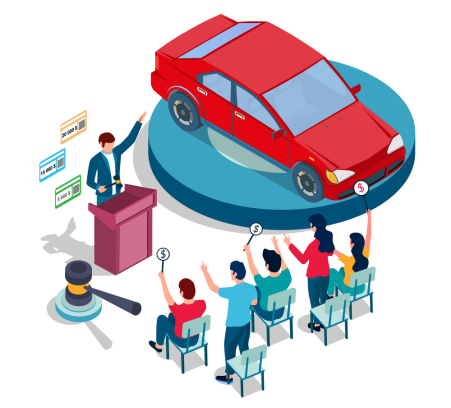
- Body Language: Use clear gestures to signal your bids. Raise your hand or nod to indicate your interest.
- Set a Cap: Determine the maximum amount you're willing to bid for a specific car and do not go beyond it.
- Pay Attention: Keep an eye on the auctioneer and other bidders to stay in the loop.
5. After Winning:
- Payment: If you win the bid, you'll need to pay the winning amount plus any buyer's fees immediately or within a specified timeframe. Be prepared with the appropriate payment method.
- Paperwork: Complete all necessary paperwork. This might include a bill of sale, title transfer, and any other documentation required by your state.
- Transportation: Arrange for transportation of the vehicle. Some auctions offer on-site transport services.
6. Post-Auction:
- Inspect the Car Again: Once you've purchased the car, perform another thorough inspection to ensure its condition matches your expectations.
- Title and Registration: Transfer the title and register the vehicle in your name. Check the specific requirements in your state.
- Maintenance and Repairs: If needed, perform any necessary maintenance or repairs to ensure the car is roadworthy and safe.
Participating in a car auction can be a rewarding experience, offering access to a wide range of vehicles at competitive prices. However, it's essential to approach the process with knowledge, preparation, and a clear budget to make the most of your auction experience.